
Understanding the Change Narrative in India
- Apr 13
- 3 min read
India stands at a crossroads where the stories we tell about progress, equity, and sustainability are being rewritten. This change narrative is not just about economic growth or technological advancement; it is about how these developments intersect with healthcare, social justice, and environmental stewardship. To truly grasp the depth of this transformation, we must look beyond surface-level statistics and engage with the systemic realities shaping the lives of millions.
The Evolving Change Narrative in India
The narrative of change in India has long been dominated by rapid industrialization and urbanization. However, this story often overlooks the uneven distribution of benefits and the persistent challenges faced by marginalized communities. The current discourse is shifting towards a more nuanced understanding that includes health equity, access to resources, and sustainable development.
For example, while India has made significant strides in reducing infant mortality and increasing life expectancy, disparities remain stark between urban and rural areas, and among different socio-economic groups. Access to quality healthcare is still a privilege for many, not a right. This gap highlights the need for systemic reforms that prioritize equity over mere expansion.

The change narrative in India must also grapple with environmental sustainability. The country faces severe air and water pollution, deforestation, and climate vulnerability. These issues are not isolated; they are deeply intertwined with social inequities. Poor communities often bear the brunt of environmental degradation, lacking the resources to adapt or recover.
Healthcare: A Lens into Systemic Inequities
Healthcare in India offers a clear window into the broader systemic challenges. The public health system, though extensive, is underfunded and unevenly distributed. Private healthcare, while often superior in quality, remains inaccessible to many due to cost.
Consider the example of maternal health. Despite improvements, maternal mortality rates in some states remain alarmingly high. This is not just a medical issue but a reflection of social determinants such as education, nutrition, and gender inequality. Addressing these requires a holistic approach that goes beyond hospitals and clinics.
The COVID-19 pandemic exposed these vulnerabilities starkly. It revealed how fragile healthcare infrastructure can exacerbate existing inequalities. It also sparked conversations about the need for universal health coverage and stronger public health systems that serve all citizens equitably.
Equity and Access: The Heart of the Narrative
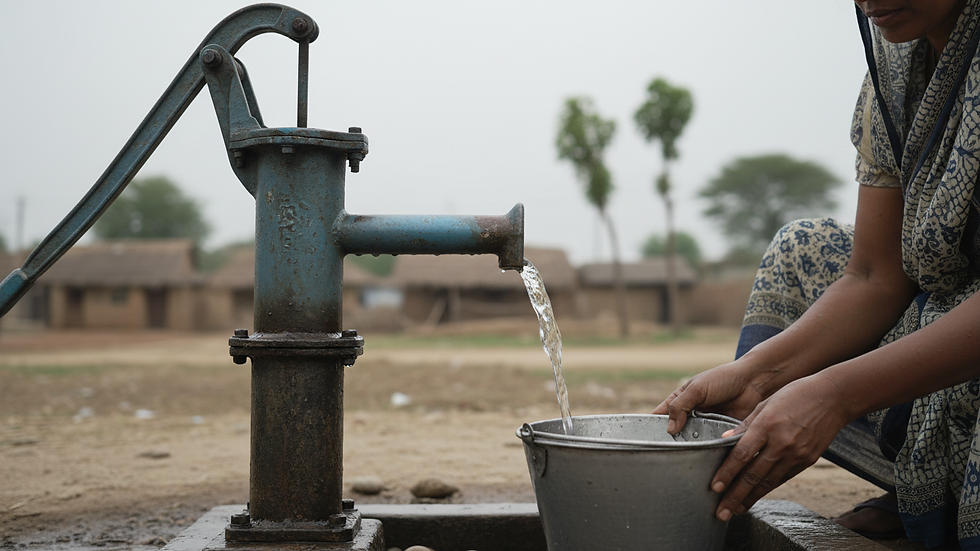
Equity is more than a buzzword; it is the foundation upon which sustainable change must be built. In India, access to education, healthcare, clean water, and sanitation varies widely. These disparities are often rooted in caste, class, gender, and geography.
For instance, tribal communities in remote areas frequently lack basic amenities and face systemic neglect. Women and girls often encounter barriers to education and healthcare that limit their opportunities. Urban slums, despite proximity to resources, suffer from overcrowding and inadequate services.
To shift the change narrative, policies must be inclusive and context-sensitive. This means designing interventions that recognize and address the unique challenges faced by different groups rather than applying one-size-fits-all solutions.
Sustainability Through Systems and Consequences
Sustainability in India cannot be an afterthought. It must be integrated into every aspect of development. This requires a systems-thinking approach that considers the long-term consequences of actions on people and the planet.
Agriculture, which employs a large portion of the population, is a critical area. Traditional farming practices are being replaced by intensive methods that strain natural resources. Water scarcity, soil degradation, and loss of biodiversity threaten food security and livelihoods.
Renewable energy initiatives and waste management programs are steps in the right direction, but they must be scaled and adapted to local realities. Community participation and empowerment are essential to ensure that sustainability efforts are not imposed but embraced.
Reflecting on the Path Forward
The change narrative in India is complex and evolving. It challenges us to rethink what progress means and who it serves. It calls for a commitment to health equity, social justice, and environmental sustainability that is grounded in lived realities and systemic understanding.
Engaging with this narrative requires patience, humility, and a willingness to listen to diverse voices. It also demands action—policy reforms, community engagement, and innovative solutions that prioritize inclusion and resilience.
For those interested in exploring these themes further, I recommend visiting the change narrative blog, a platform dedicated to critical thought and dialogue on these pressing issues.
In embracing this narrative, we move closer to a future where development is not just measured by GDP but by the well-being of all people and the health of the planet they inhabit.


Comments